发布日期:2026-10-23本条信息已被查看了12次
International Symposium on Rice-Fish Integrated Farming in Lancang-Mekong Countries Held Successfully
为深化澜湄国家稻渔综合种养领域的交流合作,促进区域渔业人才协同培养,“澜湄国家稻渔综合种养国际研讨会”于2026年10月18—21日在上海海洋大学顺利召开,本次会议主题为“本土化技术与人才共育”。来自中国、柬埔寨、老挝、缅甸、越南、印度尼西亚等澜湄流域及周边国家的政府主管部门官员、科研院所专家、高校学者,以及联合国粮农组织(FAO)、法国农业国际合作研究发展中心(CIRAD)等国际机构代表齐聚上海,围绕稻渔综合种养技术创新、国别实践案例、生态机制研究与区域人才共育开展深入研讨。
To deepen exchanges and cooperation in rice-fish integrated farming among Lancang-Mekong countries and advance the collaborative training of regional fishery talents, the symposium was convened at Shanghai Ocean University from October 18 to 21, 2026, under the theme of Localized Technology and Joint Talent Cultivation. Officials from competent government authorities, experts from research institutes and university scholars from Lancang-Mekong riparian and neighboring countries including China, Cambodia, Laos, Myanmar, Vietnam and Indonesia, together with representatives from international organizations such as the Food and Agriculture Organization of the United Nations (FAO) and the French Agricultural Research Centre for International Development (CIRAD), gathered in Shanghai for in-depth discussions on technological innovation of rice-fish integrated farming, country-specific practice cases, ecological mechanism research and regional joint talent development.
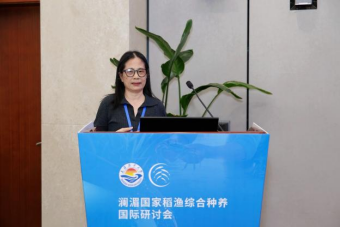
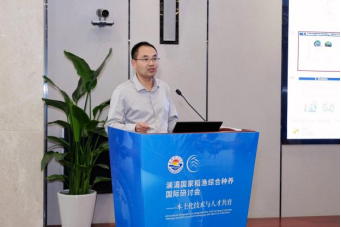
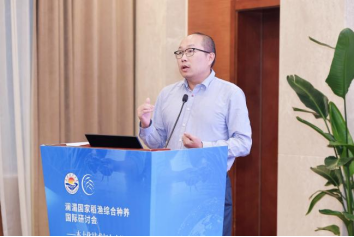
10月19日上午会议正式开幕,上海海洋大学水产与生命学院徐鹏院长主持开幕式,联合国粮农组织亚洲及太平洋区域高级渔业官员Benjamin Belton、上海海洋大学江敏副校长等先后致开幕辞,他们充分肯定稻渔综合种养技术保障澜湄国家粮食安全、提升渔业产能、改善农户生计、保护农田生物多样性的重要价值,期待以本次会议为纽带,搭建多边交流平台,推进技术互鉴与人才联合培养。
The conference officially opened on the morning of October 19, chaired by Professor XU Peng, Dean of the College of Fisheries and Life Science at Shanghai Ocean University. Mr. Benjamin Belton, Senior Fishery Officer for Asia and the Pacific of FAO, and Ms. JIANG Min, Vice President of Shanghai Ocean University, delivered opening remarks in succession. They fully recognized the vital value of rice-fish integrated farming technology in safeguarding food security, boosting fishery productivity, improving smallholder livelihoods and protecting farmland biodiversity across Lancang-Mekong countries, and expressed the expectation that this symposium would serve as a bond to build a multilateral exchange platform and advance mutual technology learning and joint talent training.
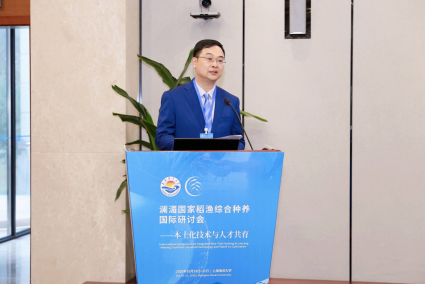
徐鹏院长主持开幕式
Dean XU Peng presiding over the opening ceremony
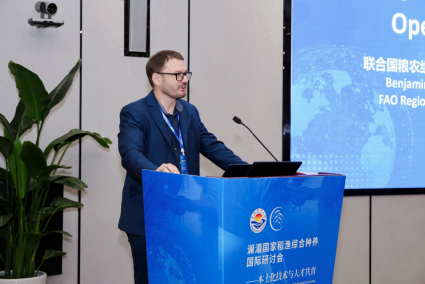
FAO 亚太区域高级官员 Benjamin Belton 先生致辞
Mr. Benjamin Belton, Senior Official of FAO Regional Office for Asia and the Pacific, delivering a speech
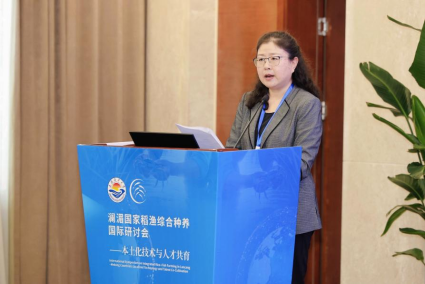
江敏副校长致辞
Vice President JIANG Min delivering a speech
在“稻渔区域发展与经济前景” 单元,Benjamin Belton 围绕稻渔综合种养的经济学(多元化与专业化)作报告;中国水产科学研究院淡水渔业研究中心朱健研究员分享了稻渔技术从创新到实际应用的路径;复旦大学张励教授梳理了澜湄水资源治理十年成就与未来路径;上海海洋大学吴旭干教授介绍了中国及澜湄区域稻渔综合种养发展现状与合作展望。
In the session Regional Development and Economic Outlook of Rice-Fish Farming, Mr. Benjamin Belton gave a presentation on the economics of rice-fish integrated farming, covering diversification and specialization. Researcher ZHU Jian from the Freshwater Fisheries Research Center of the Chinese Academy of Fishery Sciences shared the pathway from technological innovation to field application of rice-fish farming practices. Professor ZHANG Li from Fudan University reviewed the decade-long achievements and future directions of Lancang-Mekong water resources governance. Professor WU Xugan from Shanghai Ocean University introduced the current development status and cooperation prospects of rice-fish integrated farming in China and the broader Lancang-Mekong region.
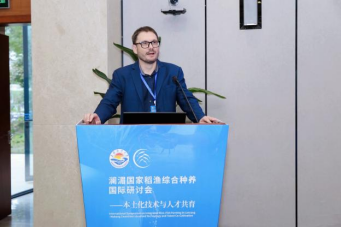
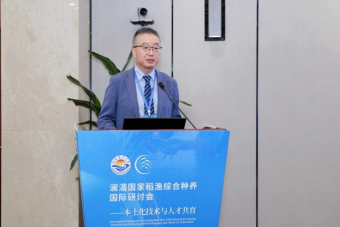
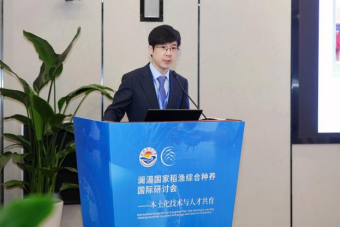
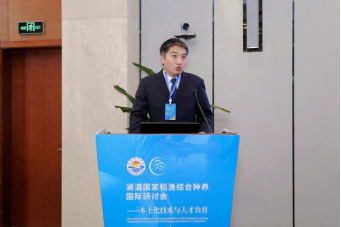
“稻渔”本土化技术与案例分享”是本次会议的重点板块。柬埔寨渔业局Somony Thay副局长介绍了罗氏沼虾养殖在妇女赋能与人才培养的实践;老挝畜牧渔业司代表分享了《从传统稻田渔业向气候韧性、营养敏感和市场导向系统转型的经验》;缅甸和越南专家分别介绍了本国稻渔、稻虾系统的现状、本土化实践与挑战;印度尼西亚代表介绍了《本国稻渔发展与区域合作机遇》;老挝国立大学、越南芽庄大学和上海海洋大学的学者还就稻田水生生物资源、跨生态区综合养殖以及全球稻田水产养殖趋势等进行了现场讨论。
Localized Technology and Case Sharing of Rice-Fish Farming was the highlight session of the symposium. Mr. Somony Thay, Deputy Director General of the Fisheries Administration of Cambodia, presented practices of giant freshwater prawn farming in empowering women and cultivating local talents. Representatives from the Department of Livestock and Fisheries of Laos shared insights on Transition from Traditional Rice Field Fisheries to Climate-Resilient, Nutrition-Sensitive and Market-Oriented Systems. Experts from Myanmar and Vietnam respectively introduced the status quo, localized practices and existing challenges of rice-fish and rice-shrimp systems in their respective countries. A representative from Indonesia delivered a report on National Rice-Fish Development and Regional Cooperation Opportunities. Scholars from the National University of Laos, Nha Trang University of Vietnam and Shanghai Ocean University also held on-site discussions on aquatic biological resources in paddy fields, cross-ecozone integrated farming, and global trends of rice-based aquaculture.
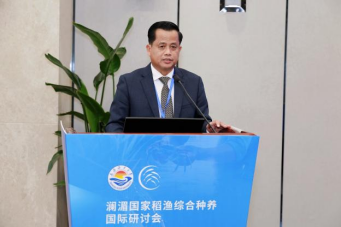
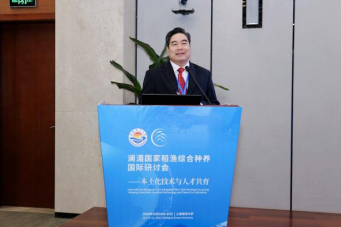
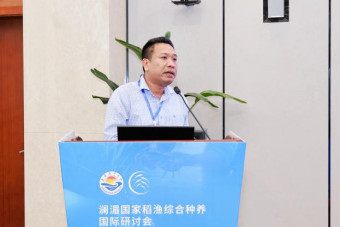
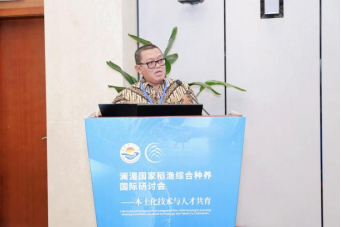
在“技术创新与生态机制”单元,法国CIRAD研究员Jean-Michel Mortillaro介绍了《柬埔寨气候韧性稻渔农业生态系统的协同设计》;浙江大学陈欣教授分析了《稻渔共作面临的机遇与挑战》;华东理工大学万年峰教授做了《营养级联效应驱动稻渔共作系统可持续发展的内在机制》的学术报告。
In the session Technological Innovation and Ecological Mechanisms, Dr. Jean-Michel Mortillaro, a researcher at CIRAD, introduced the Co-Design of Climate-Resilient Rice-Fish Agroecosystems in Cambodia. Professor CHEN Xin from Zhejiang University analyzed the opportunities and challenges facing rice-fish co-culture systems. Professor WAN Nianfeng from East China University of Science and Technology delivered an academic report on The Internal Mechanism of Trophic Cascade Effects Driving the Sustainable Development of Rice-Fish Co-Culture Systems.
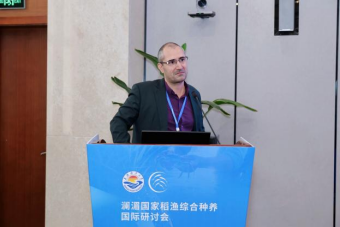
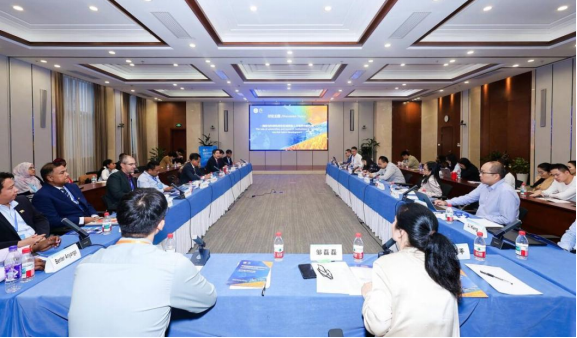
在“区域人才共育与合作展望” 专题讨论环节,与会代表围绕各国人才共育、技术推广与合作网络建设,高校与科研机构的作用,以及可复制的区域合作路径展开热烈交流。上海海洋大学留学生工作办公室施佳懿老师简要介绍了学校面向国际学生的招生情况。与会代表结合本国实际,就联合培养、技术转移和后续合作提出了务实建议。
During the panel discussion on Regional Joint Talent Cultivation and Cooperation Outlook, participating delegates engaged in vibrant exchanges on topics including national-level joint talent development, technology dissemination and cooperation network building, the role of universities and research institutions, and replicable regional cooperation pathways. Ms. SHI Jiayi from the International Student Office of Shanghai Ocean University gave a brief introduction to the university’s international student enrollment. Grounded in their respective national realities, delegates put forward practical proposals on joint training programs, technology transfer and follow-up cooperation.
上海海洋大学水产与生命学院晏萍书记在闭幕式致辞中总结了会议成果。她表示,只有坚持本土化适配、加强人才共育、深化多边合作,才能让技术真正落地并惠及小农户。学校愿继续与各国伙伴携手,在技术示范、联合培养和标准共建等方面深化合作。
Ms. YAN Ping, Secretary of the Party Committee of the College of Fisheries and Life Science at Shanghai Ocean University, summarized the outcomes of the symposium in her closing address. She noted that only by upholding localized adaptation, strengthening joint talent cultivation and deepening multilateral cooperation can technologies be truly implemented on the ground and deliver benefits to smallholder farmers. The university stands ready to continue working with partners from all countries to deepen collaboration in technology demonstration, joint training and standard co-development.
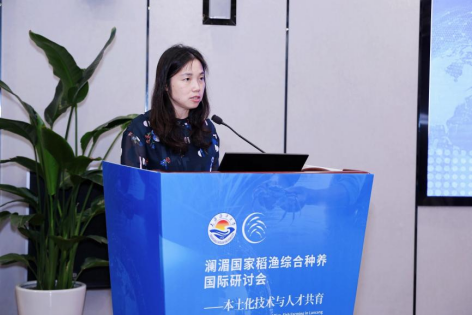
晏萍书记进行总结发言
Secretary YAN Ping delivering the concluding speech
本次研讨会搭建了政府、高校、科研机构与国际组织的多边对话平台,充分展示了澜湄各国稻渔种养研究进展、技术本土化实践和产业发展近况等,进一步明确了技术适配与人才先行的合作思路。未来,上海海洋大学将继续发挥水产学科优势,深化澜湄流域渔业科技交流与人才共育,推动稻渔综合种养先进技术在区域共享,助力澜湄国家农业渔业绿色可持续发展。
This symposium has established a multilateral dialogue platform connecting governments, universities, research institutions and international organizations. It has fully showcased the latest research progress, localized technology practices and industrial development of rice-fish farming across Lancang-Mekong countries, and further clarified the cooperation philosophy of prioritizing technology adaptation and talent development. Going forward, Shanghai Ocean University will continue to leverage its disciplinary strengths in fisheries, deepen fishery science and technology exchanges and joint talent cultivation in the Lancang-Mekong basin, promote the regional sharing of advanced rice-fish integrated farming technologies, and support the green and sustainable development of agriculture and fisheries in Lancang-Mekong countries.
供稿:水产与生命学院
Contributed by: College of Fisheries and Life Sciences